
VIETTEL AND SINGTEL BREAK GROUND ON SUBMARINE CABLE SYSTEM CONNECTING VIETNAM, THAILAND AND SINGAPORE
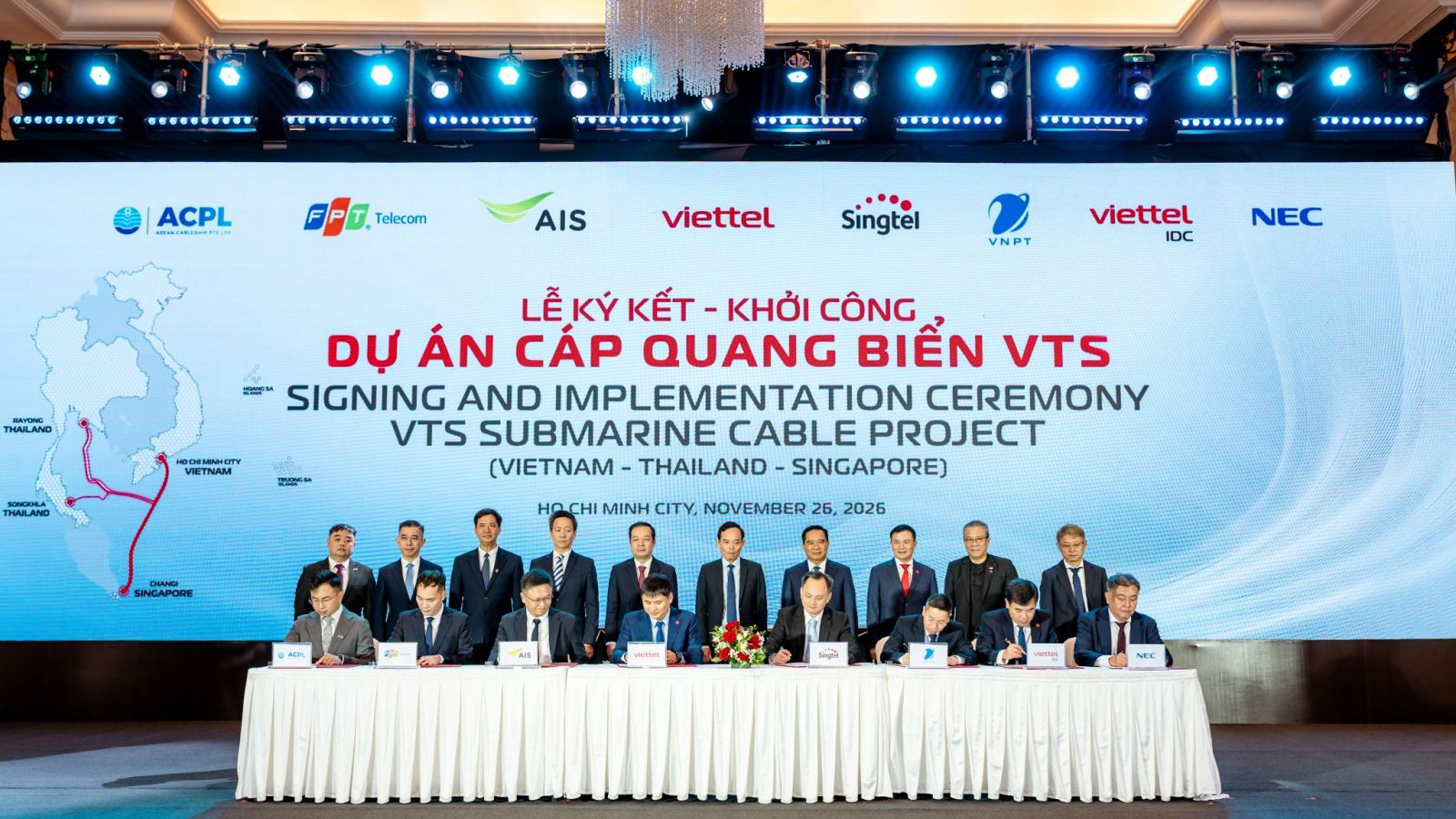
Viettel Takes the Lead in Vietnam's First Homegrown International Subsea Cable Project
The VTS subsea cable system, spanning approximately 2,500 km across Vietnam, Thailand and Singapore, will have a designed capacity of 600 Tbps and is expected to be completed in the fourth quarter of 2030. Its Vietnam–Singapore segment will extend approximately 1,200 km, with a capacity of 240 Tbps – around 2.5 times the combined capacity of all international subsea cable systems currently operated by Vietnamese carriers.
With its direct routing, VTS will be the shortest subsea cable route between Vietnam and Singapore. Featuring eight fiber pairs and next-generation wavelength-division multiplexing (WDM) technology, the system is expected to deliver a round-trip latency of approximately 12 milliseconds between the two countries, around 50% lower than the average latency of existing routes.
Lower latency will enable more seamless performance for applications such as financial transactions and artificial intelligence (AI). The entire cable system will be buried beneath the seabed, with its main trunk buried at a depth of three meters, compared with the typical 1–1.5 meters used in conventional projects. This deeper burial is designed to minimize damage from fishing activities and ship anchoring, which account for a large proportion of subsea cable disruptions.
Beyond its technical specifications, VTS represents a fundamental shift in the role of Vietnamese companies in international subsea cable infrastructure. In previous projects, domestic operators primarily participated through capital contributions and the purchase of available capacity. With VTS, Viettel initiated the project and signed a Memorandum of Understanding (MoU) with Singtel in April 2024. Viettel also took the lead in route planning and system design – key decisions that determine landing points, network configuration and the overall performance of the system.
Building on this foundation, the project has expanded to include AIS of Thailand, alongside VNPT, FPT Telecom and Viettel IDC. With Vietnamese companies taking a leading role in project development and key infrastructure decisions, VTS marks the first time Vietnam has taken ownership of the development of an international subsea cable system rather than relying entirely on international partners. The two contractors responsible for project implementation are NEC Corporation of Japan and ASEAN Cableship of Singapore.
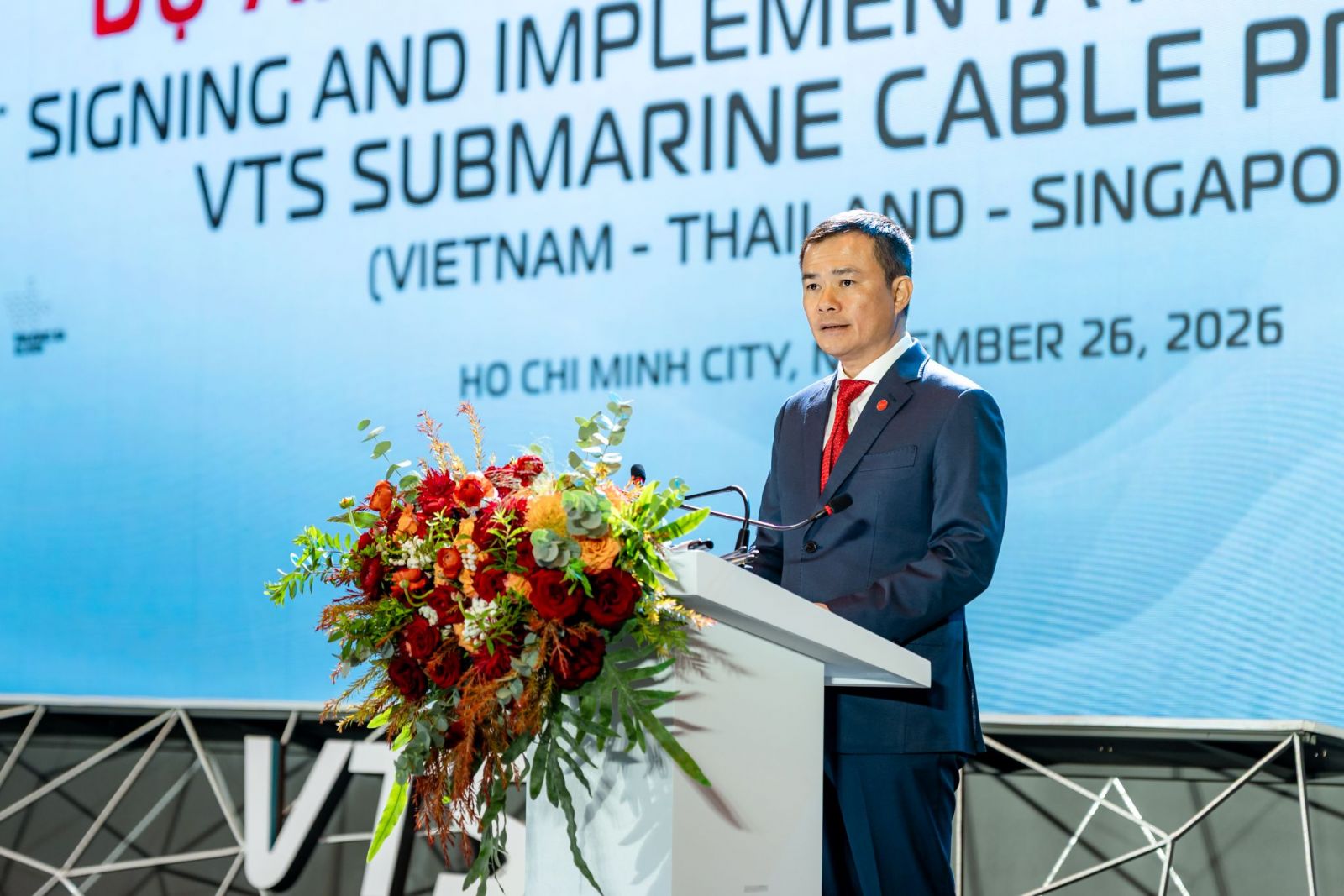
Commenting on the decision to initiate the project, Lieutenant General Tao Duc Thang, Chairman and CEO of Viettel Group, said: "Developing a subsea cable system takes years. We cannot afford to wait until capacity becomes insufficient before starting to invest, nor can we allow the development of our digital economy to depend excessively on factors beyond our control. This is what drove Viettel to proactively initiate the VTS project."
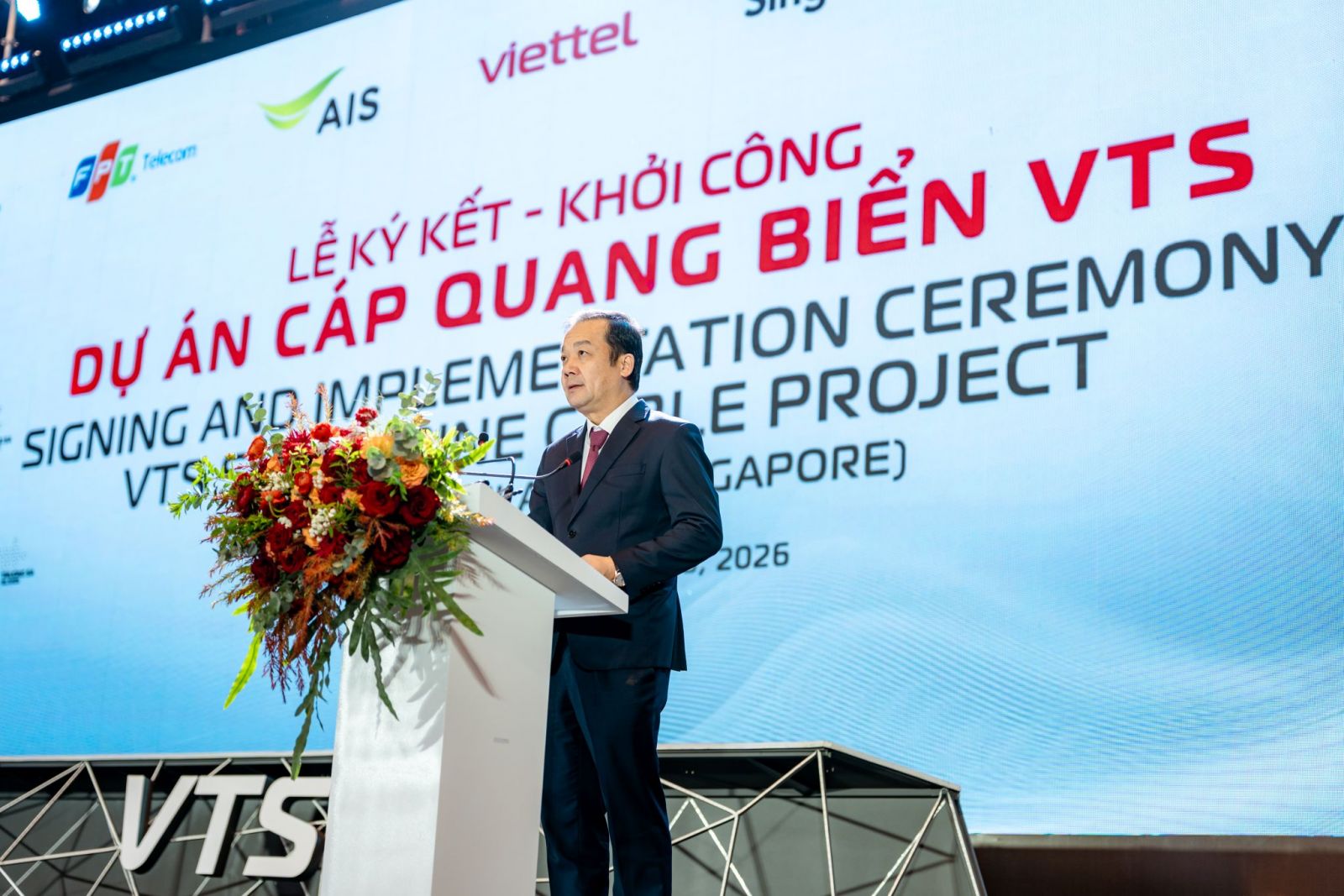
Assessing the significance of the initiative, Pham Duc Long, Deputy Minister of Science and Technology, said at the ceremony: "This marks a shift from primarily using existing infrastructure to proactively participating in the development of international connectivity infrastructure. I hope the project will not only deliver new infrastructure capacity but also enable Vietnamese engineers to progressively master subsea cable technology, operations, maintenance, emergency response and repair. That is what genuine and sustainable technological autonomy means."
A Boost to Digital Infrastructure in Ho Chi Minh City and Southern Vietnam
The establishment of a cable landing station in Ho Chi Minh City will not only expand international connectivity but also strengthen the city's appeal as a destination for digital infrastructure investment. Direct connectivity to Singapore – one of Southeast Asia's leading telecommunications, data and financial hubs – will create favorable conditions for Ho Chi Minh City to develop an ecosystem encompassing data centers, cloud computing and digital financial services.
The cable is also expected to be incorporated into the city's digital infrastructure development plans, linking data centers, technology parks and financial services hubs. This will support Ho Chi Minh City's ambition to establish itself as a regional financial and digital economy hub.
At the national level, VTS adds a new international connectivity route, providing a direct link between Vietnam and Singapore, with an extension to Thailand. Diversifying international cable routes will help reduce reliance on existing subsea infrastructure while strengthening network resilience in the event of disruptions. Traffic can be rerouted across alternative connections, helping maintain the continuity of essential services, including internet access, banking and business operations.
From the partner perspective, Keith Leong, Deputy CEO of Enterprise at Singtel, noted that expanding connectivity routes is just as important as increasing capacity.
"Building new routes helps ensure that data continues to flow reliably even when existing connections are disrupted. Spanning 2,500 km with a designed capacity of 600 Tbps, the VTS cable brings together the strengths of regional telecommunications operators to support Southeast Asia's next phase of digital development," he said.
These benefits are becoming increasingly significant as international bandwidth demand accelerates, driven by the growth of AI, cloud computing and data centers, creating new opportunities for the region to attract investment in digital infrastructure.
VTS is part of Viettel's long-term international connectivity strategy. Viettel currently participates in the operation of five of Vietnam's eight international subsea cable systems: AAG, IA, APG, AAE-1 and ADC, accounting for approximately 65% of the country's international connectivity capacity.
By 2030, Viettel aims to participate in around 10 international subsea cable systems, including projects designed and led by Vietnamese companies. This roadmap aligns with Vietnam's national subsea cable development plan through 2030 and supports the implementation of Resolution No. 57-NQ/TW issued by the Politburo on advancing science and technology and digital transformation.
Viettel
MORE NEWS FROM "Viettel Headlines"
Viettel Solutions Hosts Inauguration Ceremony of ADC Submarine Cable System
On December 18, 2024, the Viettel Business Solutions Corporation (Viettel Solutions) hosted the inau...
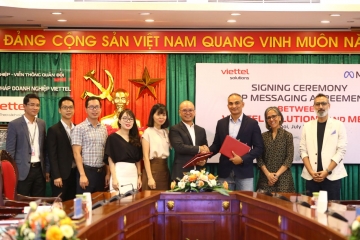
VIETTEL SOLUTIONS IS NOW OFFICIAL A2P MESSAGING PROVIDER FOR META IN VIETNAM
On July 18, 2023, Viettel Business Solutions Corporation (Viettel Solutions) - a member of Viettel G...
VIETTEL SENDS TO MWC 2023 MESSAGE "TECHNOLOGY WITH HEART"
"Technology with Heart" - using technology to bring better things, and build a better life for peopl...
